Vivid Peony Daisy Watercolor Pattern: A Designer's Floral Toolkit
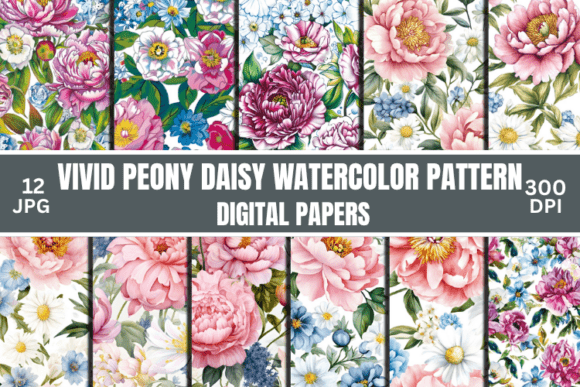
The right visual asset can completely transform a project from ordinary to unforgettable. The Vivid Peony Daisy Watercolor Pattern isn't just another set of digital papers; it's a versatile toolkit designed for creators who need both elegance and practicality. This collection captures the delicate, organic beauty of peonies and daisies through a watercolor lens, offering a soft, hand-painted aesthetic that feels both modern and timeless. Whether you're building a brand identity, designing product packaging, or crafting personal stationery, these patterns provide a foundation of style and sophistication.
Visual Character and Personality
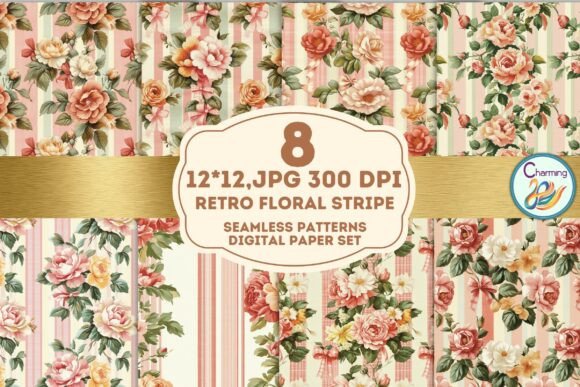
At its core, the Vivid Peony Daisy Watercolor Pattern features a harmonious blend of soft pastels and gentle, flowing lines. The watercolor technique gives each petal and leaf a sense of depth and texture, with subtle gradients and slight color bleeds that mimic real paint on paper. This isn't a flat, digital-looking graphic; it has an artisanal quality that adds warmth and authenticity to any design. The personality is approachable yet refined—perfect for projects that aim to feel personal, creative, and high-quality. The seamless, repeatable nature of the pattern ensures it works beautifully as a background without becoming overwhelming or repetitive, maintaining visual interest while allowing foreground elements to shine.
Practical Applications for Creators and Businesses
This floral pattern set is a true workhorse for a wide range of applications. Its high resolution (300 DPI, 3600x3600 pixels) makes it suitable for both digital and print projects, ensuring crisp results at any scale. For brand identity and logo design, it can serve as a secondary pattern element, adding texture to business cards, letterheads, or website backgrounds. In packaging design, these papers are ideal for creating custom gift wrap, product boxes, or tote bag prints that stand out on a shelf. The pastel color palette is particularly effective for editorial design, such as magazine layouts, book covers, or blog headers that need a touch of natural elegance.
For small business owners and entrepreneurs, the commercial license included with these digital papers opens up numerous possibilities. Use them to design social media graphics, create cohesive web design backgrounds, or produce physical products like tumbler wraps, mugs, and vinyl decals. The pattern's versatility shines in DIY crafts—from scrapbooking and planner decorations to custom iron-on transfers for clothing. It's also a fantastic resource for event planners, offering ready-made designs for wedding invitations, birthday party decorations, and anniversary stationery. The ability to customize and scale these assets means you can maintain a consistent visual theme across all your touchpoints.
Integrating Patterns into Your Design Workflow
When working with a pattern like this, consider its role in your overall visual hierarchy. It often works best as a supporting element rather than the main focus. Pair it with clean, sans serif fonts for modern contrast, or with elegant script fonts for a more romantic feel. Testing font pairing is crucial—the pattern's soft details might get lost behind overly ornate typography. Use it to create depth in your designs; layer it behind solid-colored shapes or photographs to add texture without clutter. For print projects, always do a small test print to verify color accuracy, as monitor settings and printer calibrations can cause slight variations from the on-screen preview.
Remember, the goal is to use these design assets to enhance your message, not overshadow it. The Vivid Peony Daisy Watercolor Pattern excels at creating an inviting, professional atmosphere that can elevate your brand's perception. By thoughtfully integrating these patterns, you can achieve a cohesive and memorable aesthetic that resonates with your audience, whether you're designing for a client, launching a product, or personalizing your own creative projects. This collection is more than just pretty backgrounds—it's a strategic tool for visual storytelling.