Monstera Pattern: A Fresh Take on Tropical Design Assets
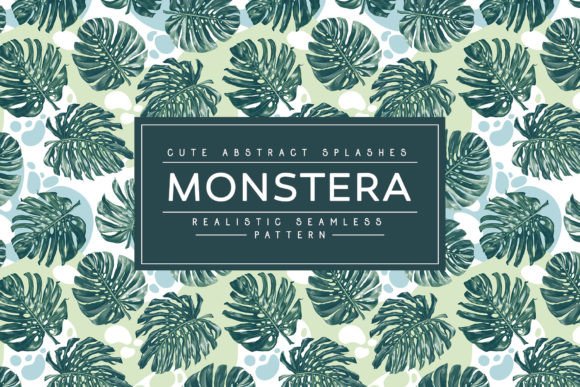
There is a specific kind of energy that a well-executed botanical motif brings to a project. It is organic, vibrant, and instantly recognizable. When we look at the Monstera Pattern, we are seeing more than just a collection of leaves; we are looking at a carefully curated design asset that bridges the gap between realism and artistic interpretation. This isn't your standard, flat clip art. This vector seamless pattern features realistic Monstera palm leaves, but the inclusion of light lettuce and blue abstract splashes gives it a modern, hand-drawn personality. It captures the essence of a summer tropical vibe while maintaining a clean, professional aesthetic on a white background. For designers and brand strategists, this kind of versatility is invaluable. It allows for the creation of visual narratives that feel both authentic and stylistically unique, avoiding the generic look of mass-produced graphics.
Visual Characteristics and Artistic Appeal
The success of any repeating motif lies in its details, and this Monstera Pattern excels in that department. The botanical motif is hand-drawn with a high level of attention to detail, ensuring that each leaf feels distinct yet part of a cohesive whole. The "abstract splashes" mentioned in the description are a key differentiator. They introduce a dynamic, almost watercolor-like element that contrasts beautifully with the structured, vector-based leaves. This interplay between the organic shape of the Monstera and the fluid nature of the splashes creates a visual rhythm that is engaging without being overwhelming.
From a technical standpoint, the asset is built for professional use. The fact that each leaf is hand-drawn in vector format means there are no scaling restrictions. Whether you are designing a small icon for a mobile app or a massive wall mural for an interior design project, the integrity of the lines remains crisp and clear. Furthermore, the availability of raster copies saved at 600 DPI resolution is a significant advantage for high-end print production. This level of technical specification ensures that the pattern translates seamlessly from screen to physical product, maintaining color fidelity and sharpness across different media.
Strategic Applications in Modern Branding
Understanding where to deploy a Monstera Pattern effectively is just as important as the design itself. In the realm of textile and clothing design, this pattern offers a refreshing alternative to standard florals. Imagine it on a summer dress, a tote bag, or a line of activewear. The combination of the tropical leaves and the abstract splashes adds a touch of artistic flair that appeals to a demographic looking for style and substance. It works exceptionally well for brands aiming to project a sense of freshness, creativity, and connection to nature.
Beyond fashion, the applications in interior design are vast. This pattern is perfectly suited for curtains, wallpaper, and furniture upholstery. The white background keeps the space feeling open and airy, while the pops of lettuce green and blue add color without dominating the room. For entrepreneurs in the home décor space, using this pattern can help establish a distinct brand identity that stands out in a crowded market.
The digital landscape also offers numerous opportunities. For content creators, bloggers, and social media managers, this Monstera Pattern serves as a versatile background for posts, stories, and channel headers. It provides visual interest without distracting from the primary content. A YouTube channel focused on lifestyle, wellness, or travel could use this pattern to create a consistent visual theme across their branding, from video thumbnails to community posts. The vector nature of the asset means it can be easily customized to fit various aspect ratios and platform requirements.
Practical Guidance for Implementation
When integrating a premium font or a complex pattern like this into a project, the goal is always to enhance, not overwhelm. One of the first considerations is visual hierarchy. Because this Monstera Pattern has a strong visual presence, it works best when paired with clean, minimalist typography. A sans serif font with ample white space will complement the organic shapes of the leaves and splashes, ensuring that any overlaid text remains legible. Conversely, pairing it with an overly ornate script font might create visual clutter, reducing the overall impact of the design.
For those working on packaging design, such as greeting cards, wrapping paper, or wedding invitations, the pattern offers a sophisticated botanical motif that feels premium. It is particularly effective for products that want to convey a sense of freshness or a connection to the natural world. When using it for advertising banners or flyers, consider using it as a background element and placing your call-to-action or key messaging in a solid-colored box or over a semi-transparent overlay. This ensures the message is clear while still benefiting from the pattern's aesthetic appeal.
Evaluating the project fit is crucial. This pattern is ideal for projects that aim for a modern, fresh, and slightly artistic feel. It might not be the best choice for corporate or highly technical industries where a more subdued, geometric aesthetic is required. However, for creative agencies, small business owners in the wellness or lifestyle sectors, and individual creators, it is a powerful tool for building a recognizable and engaging brand identity. The availability of the pattern in multiple formats—PNG, AI, EPS, and JPG—provides the flexibility needed to work across different software and workflows, making it a practical addition to any designer's toolkit.
Ultimately, the value of a design asset like this Monstera Pattern lies in its ability to tell a story. It is a visual shorthand for summer, creativity, and organic beauty. By using it thoughtfully, you can elevate your projects, strengthen your brand's visual language, and connect with your audience on a more aesthetic level. It is a reminder that great design often comes from the seamless integration of natural inspiration and technical precision.