Invitation Mockup, Greeting Card JPEG: 40-File Digital Kit
In the world of digital design, presentation is everything. Whether you are a graphic designer pitching a new layout to a client, a small business owner showcasing your latest merchandise, or a blogger looking to improve your visual content, the way you display your work matters. This is where the Invitation Mockup, Greeting Card JPEG collection steps in. It is not just a set of images; it is a versatile toolkit designed to elevate your creative projects instantly.
Understanding the Digital Mockup
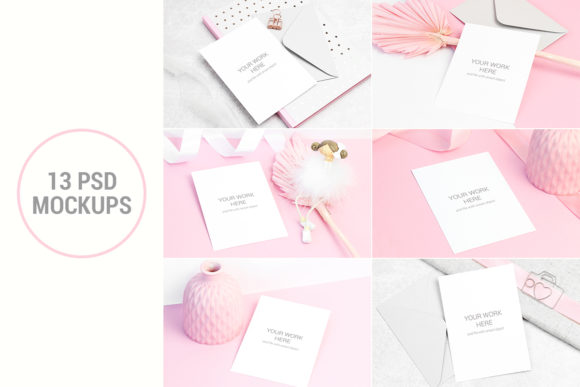
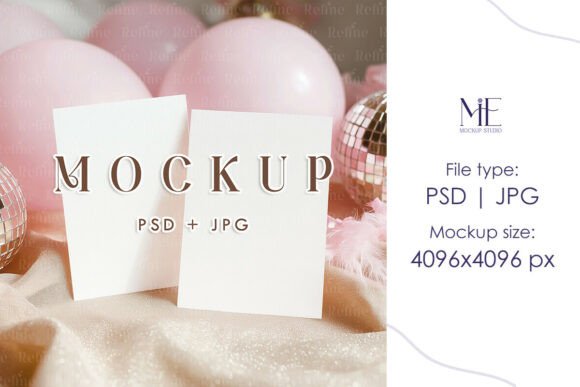
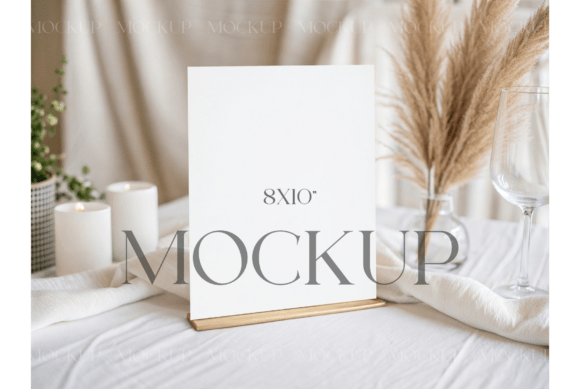
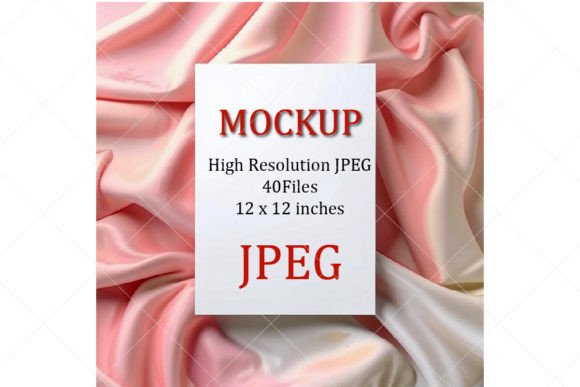
First and foremost, it is vital to clarify exactly what this product is. This is a digital product, meaning no physical item will be shipped to your door. You are purchasing a license to use high-quality JPEG files that simulate the look of physical greeting cards. Specifically, this package includes 40 high-resolution files. Each image is sized at 12 x 12 inches (or 10 x 10 inches depending on the specific rendering context, though the file resolution remains high-quality), ensuring that your designs look crisp and professional whether viewed on a screen or printed out.
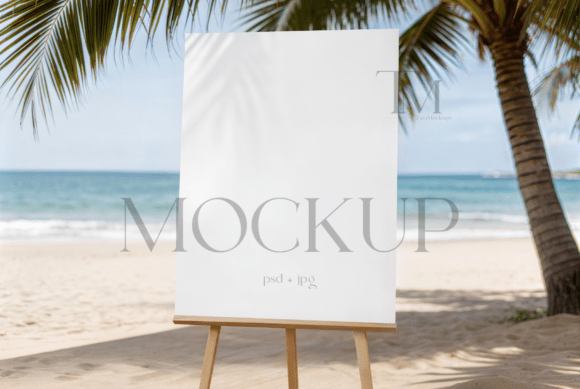
The visual characteristics of these mockups are clean, professional, and versatile. They provide a blank canvas that mimics the texture and lighting of real paper. This "personality" of the asset is neutral yet sophisticated, allowing it to adapt to almost any aesthetic you throw at it. Whether your brand identity is rustic and organic or sleek and modern, the Invitation Mockup, Greeting Card JPEG files provide the perfect stage for your artwork.
The Power of Visual Context
Why do you need mockups? In short, context sells. A flat design file can look sterile and lifeless. When you place that same design into a mockup, it gains depth, shadows, and a sense of reality. This is essential for editorial design and packaging design. If you are selling wedding invitations on Etsy or your own website, showing the card as it would look in a customer's hand builds trust and desire.
For marketers and content creators, these files are invaluable for social media graphics. Instead of posting a flat image to Instagram or Pinterest, you can post a styled scene that stops the scroll. The visual hierarchy is immediately established: the viewer sees the context first (a beautiful card) and then focuses on the details (your specific design, font, or message).
Practical Applications for Every Creator
The utility of this Invitation Mockup extends far beyond just wedding stationery. Here is how different professionals can leverage these assets:
- Logo Designers: Use the card mockups to show how a client's new logo looks on stationery. This helps in brand presentation and makes the deliverable feel more valuable.
- Font Designers: If you have created a premium font, specifically a script font or handwritten font, these mockups are perfect for your specimen sheets. You can show off the typeface in a real-world scenario, demonstrating its flow and legibility on a greeting card format.
- Bloggers and Publishers: Create headers for blog posts about party planning, DIY crafts, or gift guides using these images as backgrounds.
- Print-on-Demand Sellers: Before uploading your designs to a fulfillment center, use the JPEGs to create your product listings. It adds a layer of professionalism that generic templates cannot match.
Integrating Typography and Brand Identity
When using the Invitation Mockup, Greeting Card JPEG, your choice of typography becomes the star of the show. Because the mockup provides a clean background, the fonts you overlay must be legible and well-paired. This is where modern typography principles come into play.
If you are designing a birthday card, you might pair a playful display font with a clean sans serif font for the details. For a high-end wedding invitation, a combination of an elegant serif font with a flowing script font often works best. The mockup allows you to test these font pairings visually before finalizing your print files.
Consistency is key to brand identity. By using these mockups to present your work, you create a cohesive look across your portfolio. Whether you are sending a PDF proposal to a client or updating your Behance profile, using consistent mockups signals professionalism. It shows that you care about the details, which is a trait every client looks for in a creative professional.
Maximizing Your Investment
Since you receive 40 files, you have a month's worth of social media content or a comprehensive portfolio showcase at your fingertips. Here are a few tips for getting the most out of this design asset:
- Evaluate the Fit: Before downloading, look at the lighting in the JPEGs. Does it match the mood of your brand? If your brand is moody and dark, ensure the mockup lighting isn't too bright and airy, or be prepared to adjust it in post-production.
- Check the Resolution: The files are high-resolution, but always ensure your final export settings match the platform you are uploading to (e.g., 72 DPI for web vs. 300 DPI for print).
- Layering Techniques: While these are JPEGs, you can still use blending modes in software like Photoshop or Procreate to overlay your designs realistically.
Commercial Licensing and Usage
One of the most important aspects of using design assets is understanding the license. Generally, these types of mockups are sold with a commercial license that allows you to use them in client work and for sale of end-products. However, you cannot resell the mockup files themselves. You are buying the right to use the image to display your work, not to sell the blank mockup to others. Always read the specific license terms included with your purchase to ensure compliance.
The Invitation Mockup, Greeting Card JPEG collection is a practical, high-value addition to any designer's toolkit. It bridges the gap between a digital concept and a tangible product, helping you communicate your vision effectively and professionally. Whether you are finalizing a web design project or preparing a print portfolio, these assets provide the visual polish needed to impress.